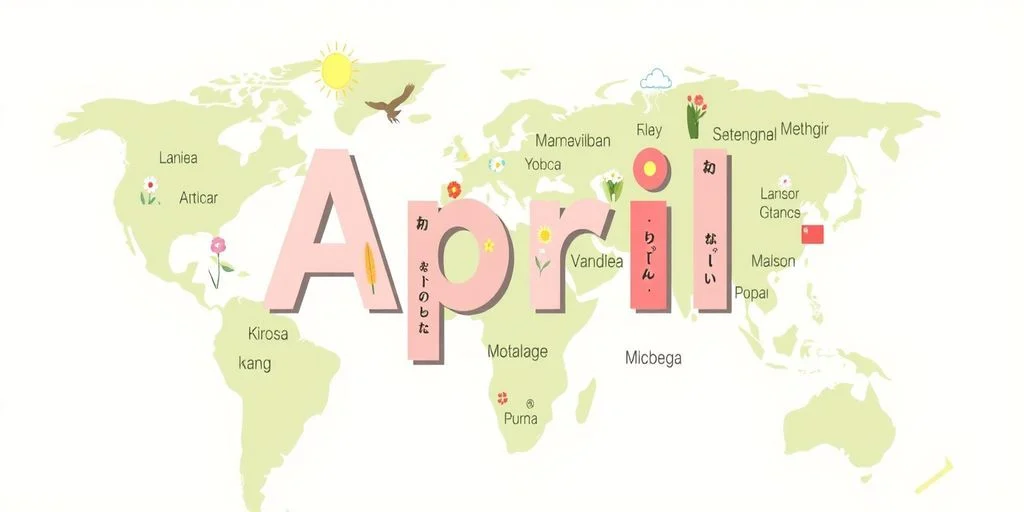
April is more than just a month on the calendar. It marks spring in many countries, new beginnings, cultural festivals, and seasonal change around the world. If you’re curious about April in different languages, learning how this month is spoken globally can help with travel, language learning, writing, localization, and general knowledge.
In this guide, you’ll discover April in all languages through a clean, easy-to-read table. You’ll also see how the word is used naturally in everyday sentences, along with clear English meanings to make learning effortless.
April in Different Languages Around the World
| Language | Pronunciation | Example |
| English | AY-pril | April is my favorite month. — April is my favorite month. |
| Spanish | ah-BREEL | Mi cumpleaños es en abril. — My birthday is in April. |
| French | ah-VREEL | Je voyage en avril. — I travel in April. |
| German | AH-pril | April ist sehr schön hier. — April is very beautiful here. |
| Italian | ah-PREE-leh | Aprile porta la primavera. — April brings spring. |
| Portuguese | ah-BREEL | Abril é quente aqui. — April is warm here. |
| Dutch | AH-pril | In april bloeien bloemen. — In April, flowers bloom. |
| Swedish | AH-pril | April är solig. — April is sunny. |
| Norwegian | AH-pril | Vi møtes i april. — We meet in April. |
| Danish | AH-pril | April er mild. — April is mild. |
| Finnish | AH-pril | Huhtikuu alkaa pian. — April starts soon. |
| Russian | ap-REEL | Апрель тёплый. — April is warm. |
| Ukrainian | ap-REEL | Квітень красивий. — April is beautiful. |
| Polish | AH-pril | Kwiecień jest deszczowy. — April is rainy. |
| Czech | AH-pril | Duben je krátký. — April is short. |
| Slovak | AH-pril | Apríl je chladný. — April is cool. |
| Hungarian | AH-pril | Április szép hónap. — April is a beautiful month. |
| Romanian | ah-PRIL | Aprilie e plăcut. — April is pleasant. |
| Bulgarian | ah-PRIL | Април е топъл. — April is warm. |
| Greek | ah-PRIL-ee-os | Ο Απρίλιος είναι φωτεινός. — April is bright. |
| Turkish | ah-PREEL | Nisan yağmurlu. — April is rainy. |
| Arabic | ah-BREEL | أبريل معتدل. — April is mild. |
| Hebrew | ah-PREEL | אפריל קצר השנה. — April is short this year. |
| Persian | ahv-REEL | آوریل زیباست. — April is beautiful. |
| Urdu | ah-PREEL | اپریل خوشگوار ہے۔ — April is pleasant. |
| Hindi | ah-PREEL | अप्रैल गर्म होता है। — April is hot. |
| Bengali | ah-PREEL | এপ্রিল বসন্তের। — April is spring. |
| Punjabi | ah-PREEL | ਅਪ੍ਰੈਲ ਸੋਹਣਾ ਹੈ। — April is lovely. |
| Tamil | ah-PREEL | ஏப்ரல் வெயிலானது. — April is sunny. |
| Telugu | ah-PREEL | ఏప్రిల్ వేడిగా ఉంటుంది. — April is hot. |
| Malayalam | ah-PREEL | ഏപ്രിൽ നല്ലത്. — April is nice. |
| Kannada | ah-PREEL | ಏಪ್ರಿಲ್ ಸುಂದರ. — April is beautiful. |
| Marathi | ah-PREEL | एप्रिल उष्ण आहे. — April is hot. |
| Gujarati | ah-PREEL | એપ્રિલ ગરમ છે. — April is hot. |
| Sinhala | ah-PREEL | අප්රේල් උණුසුම්. — April is warm. |
| Nepali | ah-PREEL | अप्रिल रमाइलो छ। — April is fun. |
| Chinese (Mandarin) | AY-pril | 四月很美。— April is beautiful. |
| Cantonese | AY-pril | 四月好熱。— April is hot. |
| Japanese | eh-PREE-roo | 4月は忙しいです。— April is busy. |
| Korean | eh-PRIL | 4월은 따뜻해요. — April is warm. |
| Thai | ah-PREEL | เมษายนร้อนมาก — April is very hot. |
| Vietnamese | ah-PREEL | Tháng tư đẹp. — April is beautiful. |
| Indonesian | ah-PRIL | April hujan. — April is rainy. |
| Malay | ah-PRIL | April cerah. — April is bright. |
| Filipino | ah-PRIL | Mainit ang Abril. — April is hot. |
| Swahili | ah-PRIL | Aprili ni joto. — April is hot. |
| Zulu | ah-PRIL | U-April ufudumele. — April is warm. |
| Afrikaans | AH-pril | April is koel. — April is cool. |
| Amharic | ah-PRIL | ኤፕሪል ጥሩ ነው።— April is good. |
| Somali | ah-PRIL | Abriil waa kulul. — April is hot. |
| Yoruba | ah-PRIL | Oṣù Kẹrin gbona. — April is hot. |
| Igbo | ah-PRIL | Eprel dị mma. — April is good. |
| Hausa | ah-PRIL | Afrilu yayi zafi. — April is hot. |
| Icelandic | AH-pril | Apríl er bjartur. — April is bright. |
| Irish | AH-pril | Tá Aibreán álainn. — April is beautiful. |
| Scottish Gaelic | AH-pril | Tha an Giblean blàth. — April is warm. |
| Welsh | AH-pril | Mae Ebrill yn braf. — April is nice. |
| Basque | ah-PREEL | Apirila epela da. — April is mild. |
| Catalan | ah-PREEL | L’abril és suau. — April is gentle. |
| Galician | ah-PREEL | Abril é curto. — April is short. |
| Latin | ah-PREE-lis | Aprilis floridus est. — April is flowery. |
| Esperanto | ah-PREE-lo | Aprilo estas bela. — April is beautiful. |
| Armenian | ah-PREEL | Ապրիլը տաք է։— April is warm. |
| Georgian | ah-PREEL | აპრილი თბილია. — April is warm. |
| Azerbaijani | ah-PREEL | Aprel gözəldir. — April is beautiful. |
| Kazakh | ah-PREEL | Сәуір жылы. — April is warm. |
| Uzbek | ah-PREEL | Aprel yoqimli. — April is pleasant. |
| Tajik | ah-PREEL | Апрел гарм аст. — April is warm. |
| Pashto | ah-PREEL | اپریل ښکلی دی. — April is beautiful. |
| Kurdish | ah-PREEL | Nîsan germ e. — April is warm. |
Why Learning “April in Different Languages” Matters
Knowing April translations helps with global communication, multilingual content creation, education, and cultural awareness. It’s especially useful for travelers, writers, students, and SEO-focused publishers creating global content.
Patterns You’ll Notice in April Translations
Across many regions, the word “April” stays quite similar in sound and spelling. This consistency comes from Latin roots, making it easier to recognize April around the world even when languages differ greatly.
Using Month Names in Language Learning and SEO
Month names like April are high-utility words. Learning them improves basic conversation skills and helps content rank better when targeting how to say April in different languages and similar informational queries.
Conclusion
April is a globally recognized month with remarkably similar forms across languages. Understanding April in different languages makes learning smoother, boosts cultural confidence, and adds value to multilingual content and SEO strategies.
FAQs
1. How do you say April in different languages?
April is pronounced similarly worldwide, often derived from Latin, with minor phonetic changes.
2. Is April spelled the same in all languages?
No, but many languages use a close variation, making it easy to recognize.
3. Why is April similar across so many languages?
Most versions come from Latin and spread through European influence.
4. Which languages use a completely different word for April?
Some South Asian and African languages use local calendar names instead.
5. Is learning months helpful for language beginners?
Yes, months are essential vocabulary used in daily conversations.

David William is a language enthusiast, researcher, and content creator at Lingoveb. With a deep passion for words, meanings, and global communication, he focuses on making language simple, clear, and accessible for readers around the world.