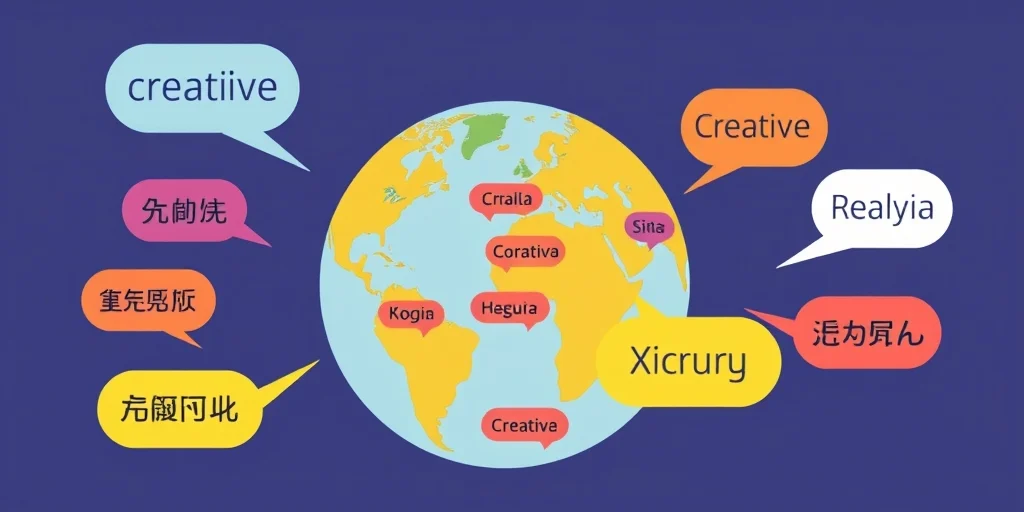
Being creative is a universal trait, but the way we express it differs across cultures. Understanding how to say creative in different languages not only broadens your vocabulary but also helps you connect with people globally.
Whether you are learning a new language, traveling, or just curious about creative translations, this guide will show you creative in all languages and provide real-life examples to make it practical and memorable.
Creative in 70 Different Languages
| Language | Pronunciation | Example |
| Arabic | Mubaḏir (مُبَادِر) | هو شخص مُبَادِر في عمله. |
| Spanish | Creativo | Ella es muy creativa con su arte. |
| French | Créatif | Il est très créatif dans ses idées. |
| German | Kreativ | Sie ist kreativ beim Designen. |
| Italian | Creativo | L’artista è molto creativo. |
| Portuguese | Criativo | Ele é criativo na escrita. |
| Russian | Творческий (Tvorcheskiy) | У неё творческий подход к проекту. |
| Chinese (Simplified) | 创造性 (Chuàngzàoxìng) | 他在工作中很有创造性。 |
| Japanese | 創造的 (Sōzōteki) | 彼女は創造的なアイデアを持っている。 |
| Korean | 창의적인 (Chang-uijeogin) | 그는 창의적인 방법으로 문제를 해결했다. |
| Hindi | रचनात्मक (Rachnatmak) | वह रचनात्मक तरीके से सोचता है। |
| Turkish | Yaratıcı | O, yaratıcı bir insandır. |
| Dutch | Creatief | Ze is creatief met haar ontwerpen. |
| Greek | Δημιουργικός (Dimiourgikós) | Είναι πολύ δημιουργικός στη δουλειά του. |
| Swedish | Kreativ | Hon är kreativ i sina projekt. |
| Polish | Kreatywny | On jest kreatywny w pisaniu. |
| Czech | Kreativní | Má kreativní přístup k řešení problémů. |
| Hungarian | Kreatív | Ő kreatív a művészetben. |
| Finnish | Luova | Hän on luova kirjailija. |
| Norwegian | Kreativ | Han er kreativ i sine ideer. |
| Danish | Kreativ | Hun er kreativ i maleriet. |
| Romanian | Creativ | Este creativ în proiectele sale. |
| Bulgarian | Креативен (Kreativen) | Той е креативен човек. |
| Serbian | Креативан (Kreativan) | Ona je kreativna u svom radu. |
| Croatian | Kreativan | On je kreativan umjetnik. |
| Bosnian | Kreativan | Ona je kreativna učiteljica. |
| Slovak | Kreatívny | Je kreatívny v písaní. |
| Slovenian | Kreativen | Je kreativen v svojem delu. |
| Malay | Kreatif | Dia kreatif dalam lukisan. |
| Indonesian | Kreatif | Dia sangat kreatif dalam desain. |
| Filipino | Malikhain | Siya ay malikhain sa kanyang sining. |
| Thai | สร้างสรรค์ (S̄r̂āngs̄ạ̀n) | เขามีความคิดสร้างสรรค์. |
| Vietnamese | Sáng tạo | Cô ấy rất sáng tạo trong công việc. |
| Hebrew | יצירתי (Yetzirati) | הוא אדם יצירתי. |
| Persian | خلاق (Khalāq) | او فردی خلاق است. |
| Bengali | সৃজনশীল (Sṛjanśīl) | সে সৃজনশীল ধারণা তৈরি করে। |
| Urdu | تخلیقی (Takhleeqi) | وہ ایک تخلیقی شخص ہے۔ |
| Swahili | Ubunifu | Ana ubunifu katika kazi yake. |
| Tamil | படைப்பாற்றல் (Padaipāṟṟal) | அவர் படைப்பாற்றலான எழுத்தாளர். |
| Telugu | సృజనాత్మక (Srujanātmaka) | అతను సృజనాత్మక ఆలోచకుడు. |
| Kannada | ಸೃಜನಾತ್ಮಕ (Srujanātmaka) | ಅವನು ಸೃಜನಾತ್ಮಕ ಕಲಾವಿದ. |
| Malayalam | സൃഷ്ടിപരമായ (Sṛṣṭiparamāya) | അവൾ സൃഷ്ടിപരമായ കലയിലേക്ക് പ്രശസ്തി നേടി. |
| Marathi | सर्जनशील (Sarjanśīl) | तो एक सर्जनशील लेखक आहे. |
| Gujarati | સર્જનાત્મક (Sarjanātmak) | તે સર્જનાત્મક વિચારક છે. |
| Punjabi | ਰਚਨਾਤਮਕ (Rachnātmak) | ਉਹ ਰਚਨਾਤਮਕ ਹੈ। |
| Lao | ສ້າງສັນ (Sāngsan) | ເຂົາມີຄວາມສ້າງສັນ. |
| Khmer | បង្កើត (Bongkoet) | គាត់មានភាពបង្កើត។ |
| Mongolian | Бүтээлч (Büteelch) | Тэр бүтээлч хүн. |
| Nepali | सिर्जनशील (Sirjanśīl) | ऊ सिर्जनशील लेखक हो। |
| Pashto | خلاق (Khalāq) | هغه خلاق شخص دی. |
| Sinhala | නිර්මාණශීලී (Nirmāṇaśīlī) | ඇය නිර්මාණශීලී චිත්ර ශිල්පිනියකි. |
| Uzbek | Ijodkor | U ijodkor inson. |
| Kazakh | Шығармашылық (Shygharmashylyk) | Ол шығармашылық адам. |
| Kyrgyz | Чыгармачыл (Chygarmaçyl) | Ал чыгармачыл адам. |
| Tajik | Эҷодкор (Ejodkor) | Ӯ шахси эҷодкор аст. |
| Armenian | Ստեղծարար (St’eghts’arar) | Նա ստեղծարար անձնավորություն է։ |
| Georgian | შემოქმედებითი (Shemokmedebiti) | ის შემოქმედებითი ადამიანი არის. |
| Maltese | Kreattiv | Huwa kreattiv fil-ħidma tiegħu. |
| Icelandic | Hugmyndaríkur | Hún er hugmyndarík í listum sínum. |
| Estonian | Loov | Ta on loov kirjanik. |
| Latvian | Radošs | Viņš ir radošs cilvēks. |
| Lithuanian | Kūrybingas | Ji yra kūrybinga menininkė. |
| Albanian | Kreativ | Ai është kreativ në punën e tij. |
| Welsh | Creadigol | Mae hi’n greadigol yn ei gwaith. |
| Irish | Cruthaitheach | Tá sí cruthaitheach ina cuid ealaíne. |
| Scottish Gaelic | Cruthachail | Tha e cruthachail ann an obair aige. |
| Basque | Sormen | Sormen handiko artista da. |
| Catalan | Creatiu | És creatiu amb les seves idees. |
Why Learning “Creative” in All Languages Matters
Knowing creative translations opens doors for cultural understanding and improves communication with people from different backgrounds. It also enhances learning experiences in education, art, and international business.
Whether you’re a student, professional, or traveler, knowing how to say creative in different languages can give you a unique edge.
How to Use “Creative” in Daily Conversations
- Compliment someone’s work in their native language.
- Use the word in professional communication to describe innovative ideas.
- Apply the term in learning environments to encourage creativity.
By practicing these creative around the world phrases, you can naturally integrate global vocabulary into your conversations.
Conclusion
Exploring creative in different languages is more than a linguistic exercise; it’s a way to appreciate how cultures express innovation and imagination.
Using these translations in real-life examples can enhance communication and inspire creativity across borders.
FAQs
1. What is the best way to learn “creative” in multiple languages?
Practice with real-life examples and integrate them into conversations. Flashcards and multilingual apps also help retention.
2. How can I use creative translations at work?
Compliment colleagues’ ideas or describe projects using their native terms to show cultural awareness and innovation.
3. Why are some languages more difficult to pronounce?
Pronunciation varies due to unique sounds, accents, and tones that might not exist in your native language.
4. Can learning “creative” in other languages improve my creativity?
Yes, understanding global perspectives can expand your thinking and inspire new ideas.
5. Is it necessary to memorize all 70 translations?
Not necessarily. Focus on languages relevant to your interests, work, or travel while keeping this guide as a reference.

Marak Robort is a content writer and researcher with a strong interest in language, meanings, and digital information. His work focuses on presenting clear, easy-to-understand explanations that help readers quickly grasp complex ideas.