The phrase “100+ beautiful hair in different languages” is widely searched by people who want to explore how beauty expressions change across cultures. Hair is often linked with identity, style, and confidence, and learning how to say “beautiful hair” in multiple languages helps in travel, communication, branding, and language learning.
In this guide, you will discover how to say beautiful hair in different languages, along with pronunciation and example sentences. This article is designed for easy understanding and quick reference, making it perfect for learners, writers, and global content creators.
Beautiful Hair in Different Languages
| Language | Pronunciation | Example |
| English | byoo-tih-ful hair | She has beautiful hair. (English meaning: She has attractive hair.) |
| Spanish | pelo hermoso | Ella tiene pelo hermoso. (English meaning: She has beautiful hair.) |
| French | beaux cheveux | Elle a de beaux cheveux. (English meaning: She has beautiful hair.) |
| German | schönes Haar | Sie hat schönes Haar. (English meaning: She has beautiful hair.) |
| Italian | capelli belli | Ha capelli belli. (English meaning: She has beautiful hair.) |
| Portuguese | cabelo bonito | Ela tem cabelo bonito. (English meaning: She has beautiful hair.) |
| Russian | krasivyye volosy | U nee krasivyye volosy. (English meaning: She has beautiful hair.) |
| Chinese | měilì de tóufà | 她有美丽的头发。 (English meaning: She has beautiful hair.) |
| Japanese | utsukushii kami | 彼女は美しい髪を持っています。 (English meaning: She has beautiful hair.) |
| Korean | areumdaun meori | 그녀는 아름다운 머리를 가졌다. (English meaning: She has beautiful hair.) |
| Arabic | sha‘r jameel | لديها شعر جميل. (English meaning: She has beautiful hair.) |
| Hindi | sundar baal | उसके सुंदर बाल हैं। (English meaning: She has beautiful hair.) |
| Urdu | khubsurat baal | اس کے خوبصورت بال ہیں۔ (English meaning: She has beautiful hair.) |
| Bengali | sundor chul | তার সুন্দর চুল আছে। (English meaning: She has beautiful hair.) |
| Turkish | güzel saç | Onun güzel saçı var. (English meaning: She has beautiful hair.) |
| Persian | mooye ziba | او موی زیبا دارد. (English meaning: She has beautiful hair.) |
| Dutch | mooi haar | Ze heeft mooi haar. (English meaning: She has beautiful hair.) |
| Greek | όμορφα μαλλιά | Έχει όμορφα μαλλιά. (English meaning: She has beautiful hair.) |
| Swedish | vackert hår | Hon har vackert hår. (English meaning: She has beautiful hair.) |
| Norwegian | vakkert hår | Hun har vakkert hår. (English meaning: She has beautiful hair.) |
| Danish | smukt hår | Hun har smukt hår. (English meaning: She has beautiful hair.) |
| Finnish | kauniit hiukset | Hänellä on kauniit hiukset. (English meaning: She has beautiful hair.) |
| Polish | piękne włosy | Ma piękne włosy. (English meaning: She has beautiful hair.) |
| Czech | krásné vlasy | Má krásné vlasy. (English meaning: She has beautiful hair.) |
| Slovak | krásne vlasy | Má krásne vlasy. (English meaning: She has beautiful hair.) |
| Hungarian | szép haj | Szép haja van. (English meaning: She has beautiful hair.) |
| Romanian | păr frumos | Are păr frumos. (English meaning: She has beautiful hair.) |
| Bulgarian | красива коса | Тя има красива коса. (English meaning: She has beautiful hair.) |
| Serbian | lepa kosa | Ona ima lepu kosu. (English meaning: She has beautiful hair.) |
| Croatian | lijepa kosa | Ona ima lijepu kosu. (English meaning: She has beautiful hair.) |
| Ukrainian | krasive volossya | У неї красиве волосся. (English meaning: She has beautiful hair.) |
| Hebrew | se’ar yafe | יש לה שיער יפה. (English meaning: She has beautiful hair.) |
| Thai | phom suay | เธอมีผมสวย (English meaning: She has beautiful hair.) |
| Vietnamese | tóc đẹp | Cô ấy có mái tóc đẹp. (English meaning: She has beautiful hair.) |
| Indonesian | rambut indah | Dia memiliki rambut indah. (English meaning: She has beautiful hair.) |
| Malay | rambut cantik | Dia mempunyai rambut cantik. (English meaning: She has beautiful hair.) |
| Filipino | magandang buhok | May magandang buhok siya. (English meaning: She has beautiful hair.) |
| Swahili | nywele nzuri | Ana nywele nzuri. (English meaning: She has beautiful hair.) |
| Amharic | temari yehun | እሷ ውብ ጸጉር አላት። (English meaning: She has beautiful hair.) |
| Somali | timo qurux badan | Waxay leedahay timo qurux badan. (English meaning: She has beautiful hair.) |
| Tamil | azhagana mudi | அவளுக்கு அழகான முடி உள்ளது. (English meaning: She has beautiful hair.) |
| Telugu | andamaina juttu | ఆమెకు అందమైన జుట్టు ఉంది. (English meaning: She has beautiful hair.) |
| Marathi | sundar kes | तिच्याकडे सुंदर केस आहेत. (English meaning: She has beautiful hair.) |
| Gujarati | sundar val | તેના સુંદર વાળ છે. (English meaning: She has beautiful hair.) |
| Kannada | sundara koodalu | ಅವಳಿಗೆ ಸುಂದರ ಕೂದಲು ಇದೆ. (English meaning: She has beautiful hair.) |
| Malayalam | sundara mudi | അവൾക്ക് സുന്ദരമായ മുടിയുണ്ട്. (English meaning: She has beautiful hair.) |
| Punjabi | sohney baal | ਉਸਦੇ ਸੋਹਣੇ ਵਾਲ ਹਨ। (English meaning: She has beautiful hair.) |
| Nepali | ramro kesh | उसको राम्रा कपाल छन्। (English meaning: She has beautiful hair.) |
| Sinhala | lassana kondai | ඇයට ලස්සන කෙස් ඇත. (English meaning: She has beautiful hair.) |
| Lao | phom suay | ນາງມີຜົມງາມ. (English meaning: She has beautiful hair.) |
| Khmer | sach sraey | នាងមានសក់ស្អាត។ (English meaning: She has beautiful hair.) |
| Burmese | hnint hla | သူမမှာ လှပတဲ့ဆံပင်ရှိတယ်။ (English meaning: She has beautiful hair.) |
| Mongolian | saikhan үs | Тэр сайхан үстэй. (English meaning: She has beautiful hair.) |
| Kazakh | sulu shash | Оның әдемі шашы бар. (English meaning: She has beautiful hair.) |
| Uzbek | chiroyli soch | Uning chiroyli sochi bor. (English meaning: She has beautiful hair.) |
| Azerbaijani | gözəl saç | Onun gözəl saçı var. (English meaning: She has beautiful hair.) |
| Icelandic | fallegt hár | Hún hefur fallegt hár. (English meaning: She has beautiful hair.) |
| Irish | gruaig álainn | Tá gruaig álainn aici. (English meaning: She has beautiful hair.) |
| Welsh | gwallt hardd | Mae ganddi wallt hardd. (English meaning: She has beautiful hair.) |
| Scottish Gaelic | falt breagha | Tha falt breagha aice. (English meaning: She has beautiful hair.) |
| Latin | pulchra capilli | Ea habet pulchra capilli. (English meaning: She has beautiful hair.) |
| Esperanto | bela haro | Ŝi havas belan hararon. (English meaning: She has beautiful hair.) |
| Albanian | flokë të bukur | Ajo ka flokë të bukur. (English meaning: She has beautiful hair.) |
| Lithuanian | gražūs plaukai | Ji turi gražius plaukus. (English meaning: She has beautiful hair.) |
| Latvian | skaisti mati | Viņai ir skaisti mati. (English meaning: She has beautiful hair.) |
| Estonian | ilusad juuksed | Tal on ilusad juuksed. (English meaning: She has beautiful hair.) |
| Maltese | xagħar sabiħ | Għandha xagħar sabiħ. (English meaning: She has beautiful hair.) |
| Bosnian | lijepa kosa | Ona ima lijepu kosu. (English meaning: She has beautiful hair.) |
| Macedonian | ubava kosa | Таа има убава коса. (English meaning: She has beautiful hair.) |
| Slovenian | lepi lasje | Ima lepe lase. (English meaning: She has beautiful hair.) |
How to Say Beautiful Hair in Different Languages
Learning beautiful hair translations helps improve vocabulary and cross-cultural communication. Many languages use similar structures, combining words for “beauty” and “hair,” while others use unique expressions that reflect cultural beauty standards.
Beautiful Hair Around the World: Cultural Meaning
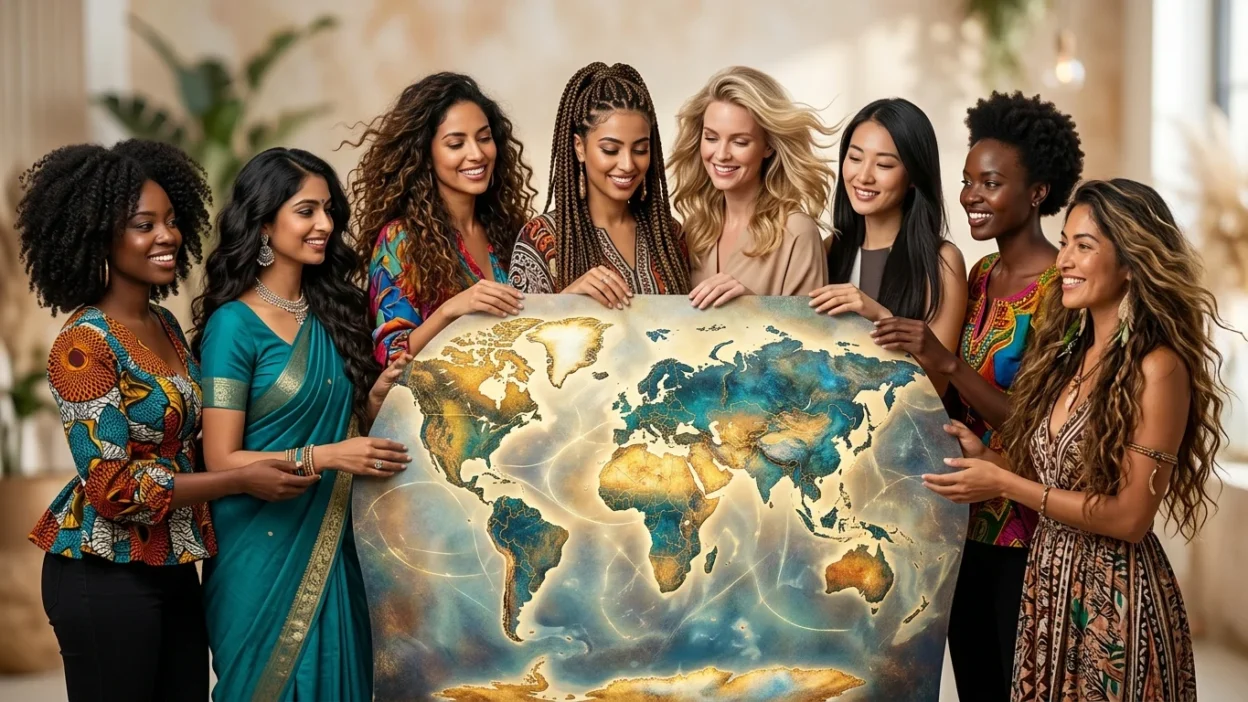
In many cultures, beautiful hair in all languages symbolizes health, confidence, and identity. For example, in South Asia, long hair is often associated with tradition, while in Western cultures, styling and texture play a bigger role in beauty perception.
Why Learning These Translations Is Useful
Understanding how to say beautiful hair in different languages is helpful for:
- Language learners
- Content creators
- Travelers
- Writers and marketers
- Cultural researchers
Conclusion
Exploring 100+ beautiful hair in different languages gives a deeper understanding of how beauty is expressed globally. Each language reflects its own cultural identity, yet all share a common appreciation for beauty and self expression.
FAQs
1. What is beautiful hair in Spanish?
It is “pelo hermoso.”
2. How do you say beautiful hair in French?
It is “beaux cheveux.”
3. What is beautiful hair in Japanese?
It is “utsukushii kami.”
4. Why learn beautiful hair translations?
It helps in language learning, communication, and cultural understanding.
5. Is beautiful hair the same in all languages?
No, each language has a unique way of expressing it.

David William is a language enthusiast, researcher, and content creator at Lingoveb. With a deep passion for words, meanings, and global communication, he focuses on making language simple, clear, and accessible for readers around the world.